


The Dhaka waste-to-energy project is set to generate 42.5 megawatts (MW) of electricity by August 2028 by converting around 3,000 tonnes of municipal waste produced daily in the capital into power, according to the prime minister's Adviser on Information and broadcasting, Dr Zahed Ur Rahman.
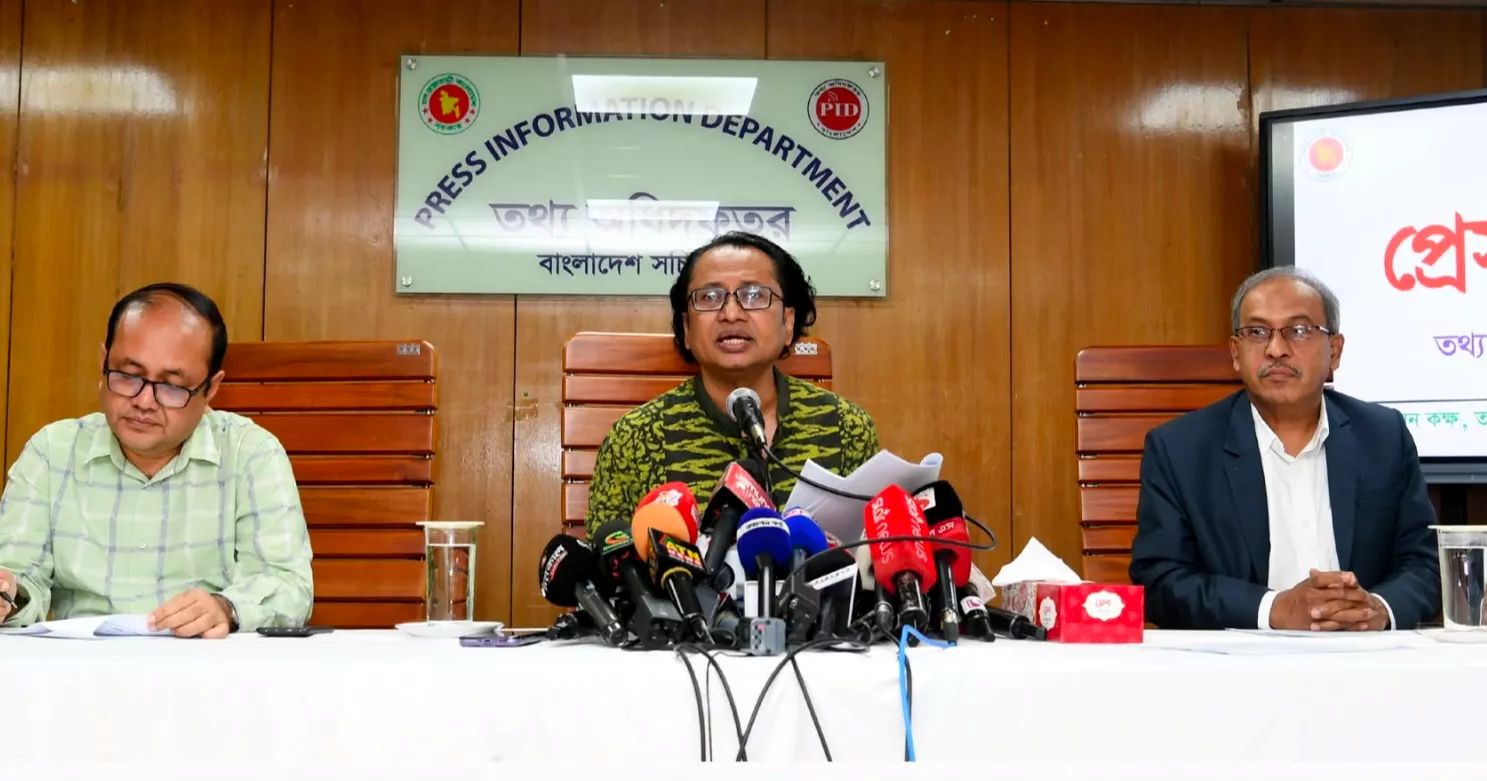
Speaking at a press briefing on the progress of government activities at the Press Information Department (PID) on Tuesday, the adviser said the project is part of the government's broader strategy to strengthen domestic electricity generation while improving urban waste management.
The announcement follows a meeting chaired by Prime Minister Tarique Rahman at the Secretariat on Sunday, where two waste-to-energy projects for Aminbazar under Dhaka North City Corporation (DNCC) and Matuail under Dhaka South City Corporation (DSCC) were reviewed.
Dr Zahed said China's CMEC Group will invest in constructing the waste-to-energy power plant at Aminbazar. The facility will process approximately 3,000 tonnes of municipal waste every day and generate 42.5MW of electricity, with commercial power supply to the national grid targeted for August 2028.
He said the plant is expected to remain operational for 25 years, providing a long-term source of electricity while reducing the volume of waste sent to landfill sites.
The project forms part of Bangladesh's efforts to diversify its energy mix by expanding alternative sources of electricity generation alongside conventional fuel-based power production. Converting municipal waste into electricity is also expected to ease pressure on urban waste disposal systems while supporting cleaner energy development.
Alongside the energy initiative, the adviser highlighted measures to modernise sanitation services in the capital. Dhaka South City Corporation on Tuesday launched a digital waste management platform, Clean Care, inaugurated by DSCC Administrator Md Abdus Salam at Nagar Bhaban.
The application will allow residents to submit complaints directly about waste collection and cleanliness, enabling city authorities to respond more efficiently to sanitation issues.
Dr Zahed also said the Aminbazar-Hemayetpur highway has long suffered from unmanaged waste dumping and poor environmental conditions. After the issue drew the attention of Prime Minister Tarique Rahman, the government decided to coordinate with the Dhaka district administration to remove accumulated waste, improve the surrounding environment and plant neem trees along both sides of the highway.


